
International Roaming Fees: A Brief History of Daylight Robbery
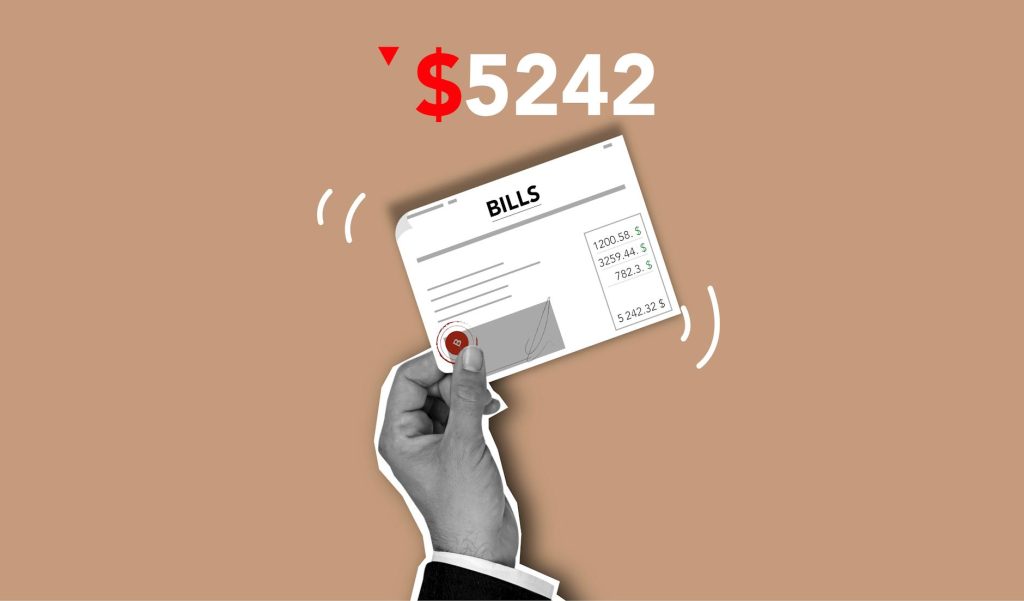
Your phone bill arrives after that two-week European vacation. €847 for data. For checking maps and posting a few photos. Welcome to the grand tradition of international roaming fees—where telecom companies have perfected the art of charging Ferrari prices for bicycle service.
Let’s examine how we got here, what you’re actually paying for, and why modern solutions like eSIMs make traditional roaming look like the expensive relic it always was.

The Golden Age of Highway Robbery (1990s-2010s)
International roaming started as a genuine technical marvel. Your phone could work abroad! Magic! Carriers charged accordingly—often $15-20 per megabyte in the early 2000s. Yes, megabyte.
By 2010, things had “improved.” AT&T charged $19.97 per megabyte for international data. Verizon wanted $20.48. A single photo upload could cost $5. Checking email might run $50 for the week. The technical justification was complex network agreements between carriers. The real reason was simpler: because they could.

Europe forced change in 2017 by eliminating roaming fees within the EU. Suddenly, the impossible became routine. Carriers had spent decades claiming roaming fees were unavoidable technical necessities. Turns out they just needed proper motivation.
Today’s Roaming Reality Check
Modern roaming fees remain absurd, just with better marketing. Verizon’s current “Travel Pass” costs $12 per day. T-Mobile charges $5 per day for 512MB—then throttles you to unusable speeds. AT&T wants $10 daily for your regular plan, plus overage fees.
Let’s do math. Two weeks in Japan with Verizon’s Travel Pass: $168. With AT&T: $140 plus overages if you exceed your plan. T-Mobile’s 512MB daily allowance might last until lunch if you’re careful.
These aren’t technical costs. They’re convenience taxes. Your carrier partners with local networks—the same networks that sell locals unlimited data for $30 monthly. But you’ll pay $168 for two weeks of the same service.
What You’re Actually Buying
Behind the roaming curtain sits basic network access that costs carriers pennies per megabyte. When you pay $12 daily for data in Thailand, here’s the breakdown:
Your carrier pays the local Thai network roughly $0.50-1.00 for your day’s data usage. Administrative costs and currency exchange might add another $1. The remaining $10? Pure profit margin that would make luxury car dealers jealous.
The technical infrastructure hasn’t justified these prices for over a decade. Your phone connects to local cell towers using standard protocols. The data travels through the same fiber optic cables whether you’re a tourist or local subscriber. The only difference is your carrier’s markup.
Consider this: unlimited monthly data in most countries costs locals $20-40. Yet carriers charge tourists that amount for 2-4 days of limited access. The same network. The same towers. Different pricing because different passport.
The eSIM Alternative to International Roaming Fees
eSIM technology eliminates the middleman markup entirely. Instead of your home carrier negotiating inflated rates with foreign partners, you buy data directly from local networks. The result: up to 70% savings compared to traditional roaming fees.
Real numbers tell the story. That two-week Japan trip costing $168 with Verizon? An eSIM with 10GB runs $32. The AT&T plan at $140 plus overages? Same 10GB eSIM handles most travelers completely. T-Mobile’s throttled 512MB daily torture session? Not even worth comparing.
We’ve tested this across 190+ countries. The savings remain consistent whether you’re in expensive Switzerland ($89 for 10GB vs $200+ roaming) or budget-friendly Vietnam ($12 for 10GB vs $150+ roaming).
eSIM activation happens instantly through QR codes. No airport kiosks. No plastic waste. No wondering if the corner shop SIM will actually work. Your phone stays connected the moment you land, but your wallet doesn’t get mugged in the process.
The technical capabilities match or exceed roaming plans. Full-speed data with no throttling. Shareable hotspot for your other devices. Plans ranging from $4 for short trips to $192 for extended 50GB packages.
Time to End the Robbery
International roaming fees represent decades of artificial scarcity pricing. Carriers have maintained these inflated rates through market position, not technical necessity. eSIM technology finally provides the direct alternative that makes roaming fees look like the outdated cash grab they always were.
Your next international trip doesn’t require mortgage-level phone bills. Check our eSIM plans and see what fair pricing for international data actually looks like.
Photos by Nicola Barts, Monstera Production, www.kaboompics.com via Pexels