
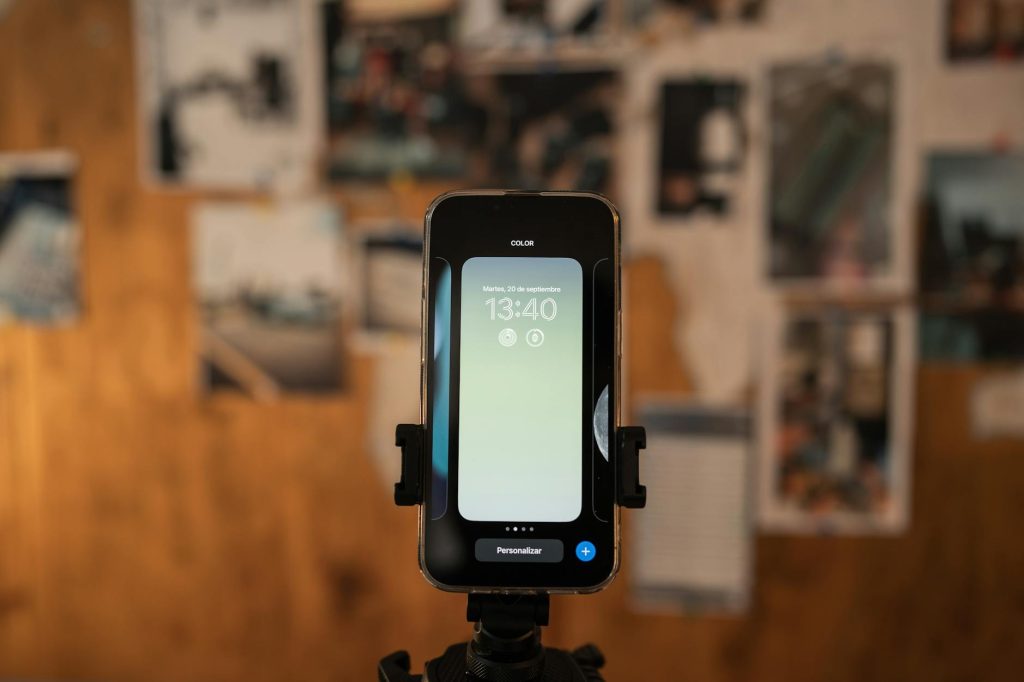
Best eSIM Compatible Phones in 2024: Complete Guide
Your phone either supports eSIM or it doesn’t. No middle ground, no “sort of compatible” situations. The good news: most phones released after 2018 do support eSIM technology. The less good news: carriers have made checking this unnecessarily complicated.
We’ll cut through the confusion. Here’s exactly which eSIM compatible phones work with digital SIM cards, plus how to verify yours makes the cut.

iPhone eSIM Support: The Gold Standard
Apple jumped on eSIM early. Every iPhone since the XS and XR supports eSIM technology. That includes:
- iPhone 15 series (all models)
- iPhone 14 series (all models)
- iPhone 13 series (all models)
- iPhone 12 series (all models)
- iPhone 11 series (all models)
- iPhone XS, XS Max, and XR
- iPhone SE (2nd and 3rd generation)
US iPhone 14 models dropped physical SIM slots entirely. They’re eSIM-only. International versions kept dual functionality, because Apple learned that forcing change works better in Cupertino than Cairo.

iPhones can store multiple eSIM profiles but only use two connections simultaneously. Perfect for keeping your home number active while using local data that costs 70% less than roaming fees.
Android eSIM Compatible Phones: The Wild West
Android manufacturers took their sweet time adopting eSIM. Google led the charge with Pixel phones, Samsung followed reluctantly, and everyone else still seems confused about the whole concept.
Google Pixel phones with eSIM:
- Pixel 8 and 8 Pro
- Pixel 7 series
- Pixel 6 series
- Pixel 5, 4a, 4a 5G
- Pixel 4 and 4 XL
- Pixel 3 and 3 XL
Samsung Galaxy eSIM support:
- Galaxy S24 series
- Galaxy S23 series
- Galaxy S22 series
- Galaxy S21 series
- Galaxy S20 series
- Galaxy Note 20 series
- Galaxy Z Fold and Z Flip series (3rd generation onwards)
Samsung’s approach frustrates us. They’ll release the same phone model with eSIM in some regions and without it in others. The Galaxy S21 supports eSIM in Europe but not in several Asian markets. Because consistency is apparently optional.
Other Android phones with eSIM:
- OnePlus 11 and newer
- Xiaomi 12T Pro and newer flagships
- Oppo Find X5 Pro and newer
- Motorola Razr (2019 onwards)
How to Check If Your Phone Supports eSIM
Don’t trust marketing materials. Verify directly on your device.
For iPhone:
Go to Settings > General > About. Look for “Digital SIM” or “Available SIMs” section. If you see it, you’re good. No section means no eSIM support.
For Android:
The path varies by manufacturer, but try Settings > Network & Internet > SIMs. Look for “Add eSIM” or “Download a SIM instead” options. Some Samsung phones hide this under Settings > Connections > SIM card manager.
Alternative method: dial *#06# on any phone. eSIM-compatible devices will show an EID (embedded identity document) number alongside the regular IMEI. No EID means no eSIM capability.
Why Carrier-Locked Phones Complicate Everything
Here’s where things get annoying. Some carriers disable eSIM functionality on phones they sell, even when the hardware supports it. Verizon did this for years with iPhones. AT&T still blocks eSIM features on some Android models.
The solution: buy unlocked phones directly from manufacturers. Carrier versions come with unnecessary restrictions and slower software updates. Unlocked phones work with any eSIM provider from day one.
We work with all unlocked eSIM-compatible devices. Instant QR code activation means you’re connected the moment you land. No plastic SIM cards, no airport kiosk hunting, no surprise bills that cost more than your hotel room.
Ready to ditch roaming fees for good? Check out our eSIM plans starting at $4 and see how much you’ll save on your next trip.
Photos by Amar Preciado, Matheus Bertelli via Pexels